Tell me what's stuck. I'll read your filings before we talk.
Three things I get hired for.
For small teams, usually a five-to-twenty-person nonprofit where the executive director is also the IT department, the bookkeeper and the grant writer.
A
A company brain
Everything your org knows, from Drive, email and meeting notes, turned into a knowledge base your team can ask questions of inside the AI tools they already use. You own the files. You can walk away with them.
BuiltA 1,583-page, permission-aware brain built from a decade of one nonprofit's records. 98% retrieval accuracy in testing. The engine is open source.
B
Finance and operations that run
Month-end close, budget against actuals, cash-flow forecasts, payroll and the written procedures that let it survive a staff change.
Running nowFractional finance lead for an arts nonprofit: monthly close, payroll and a cash-flow model rebuild. At Building Beats, a bookkeeper-handoff SOP that went live in September 2026.
C
Data and AI policy
What staff can paste into ChatGPT or Claude, what they can't, and why. Student and donor data handled under the laws that actually apply to you.
DeliveredA data guide for a New York youth tech nonprofit: account risks, a de-identification workflow for student records and a one-page AI policy.
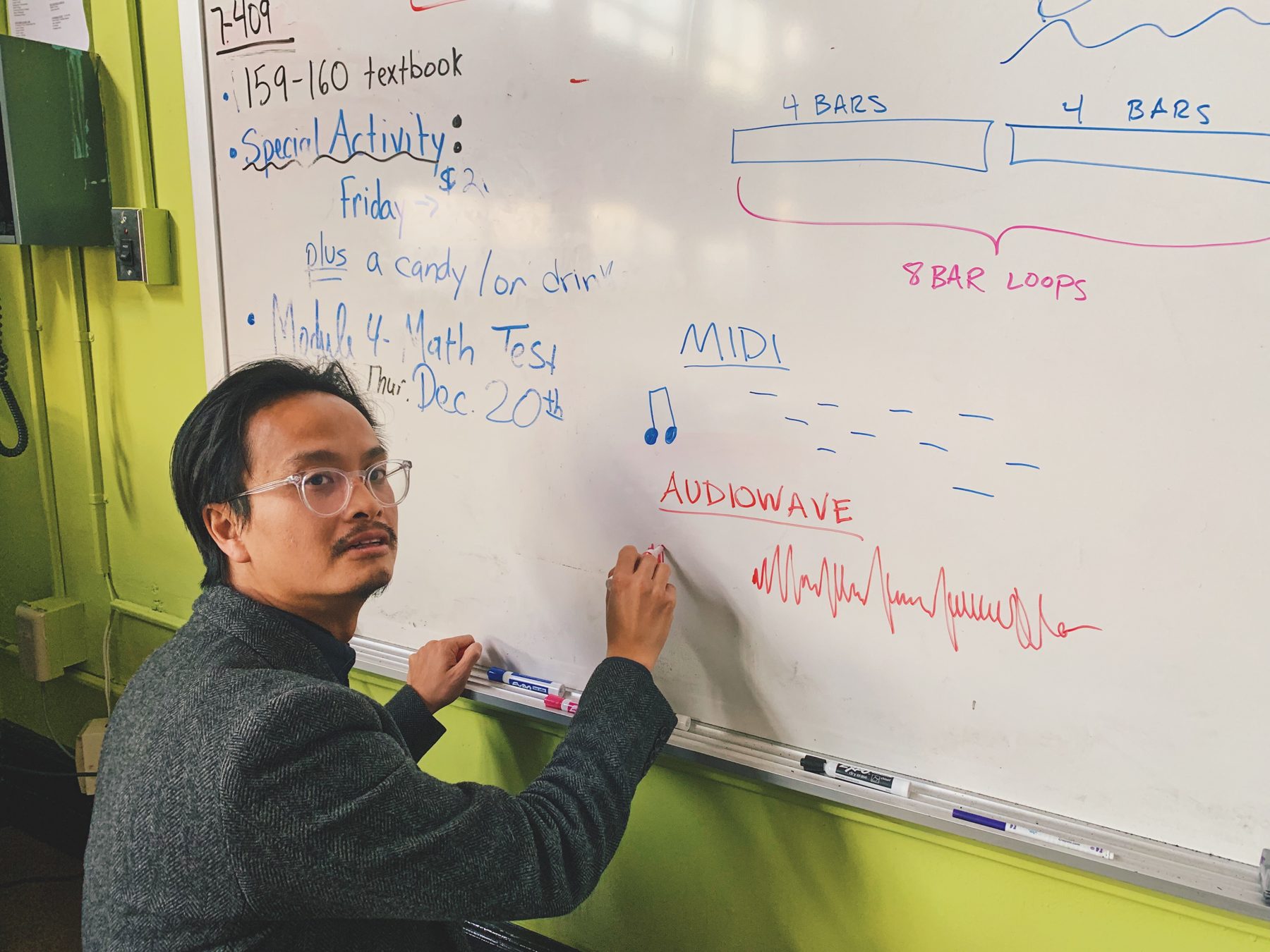
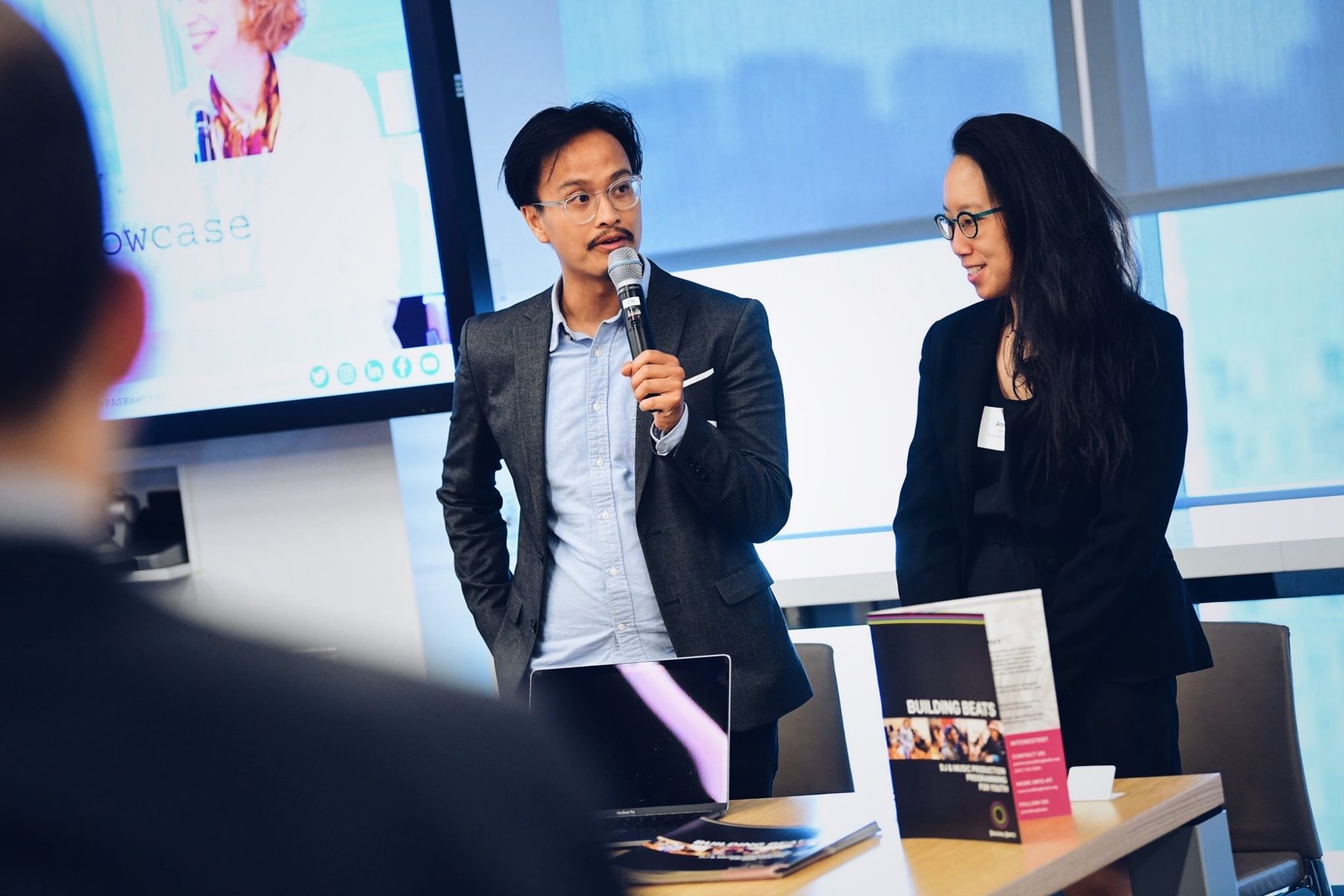
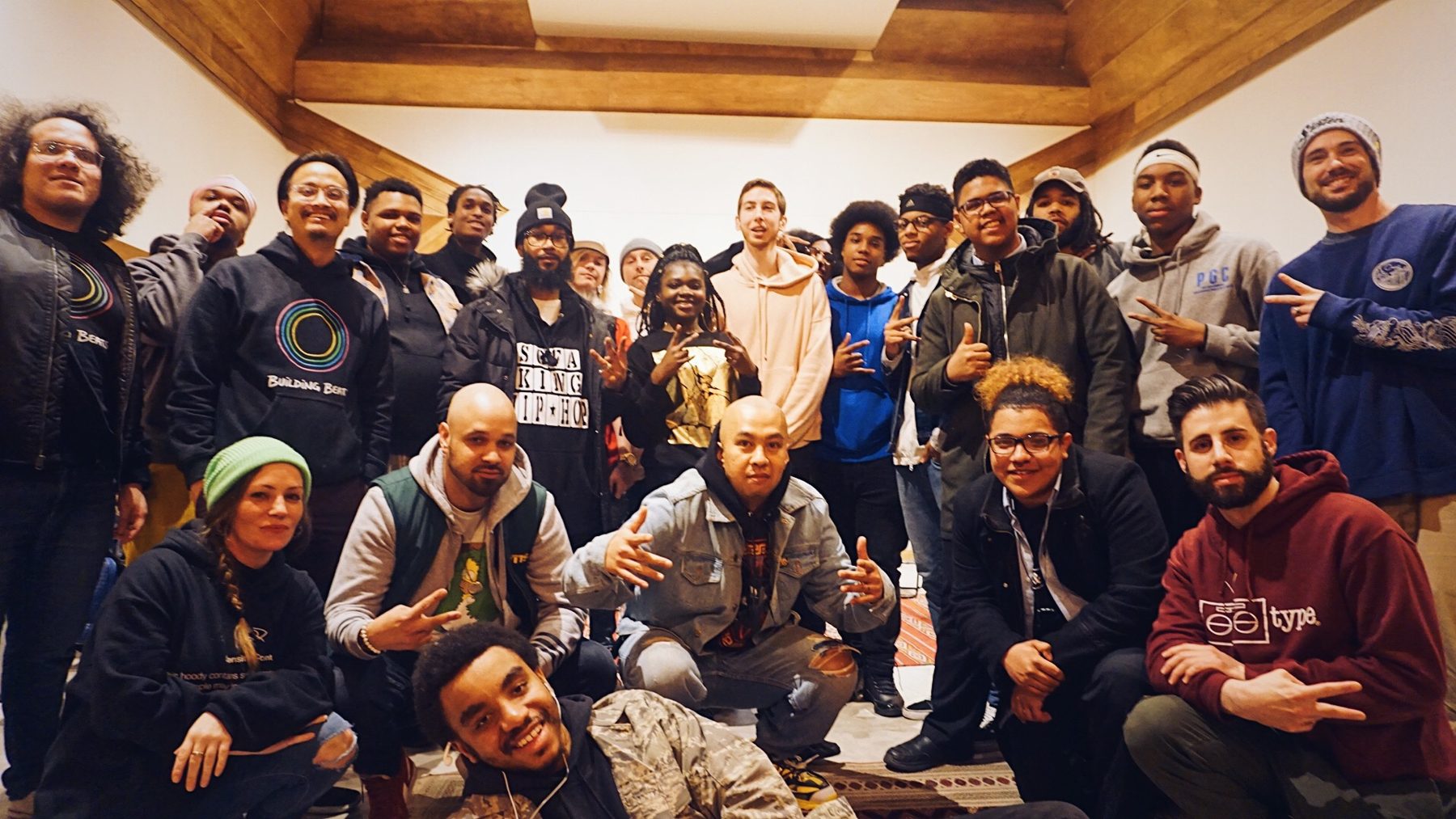
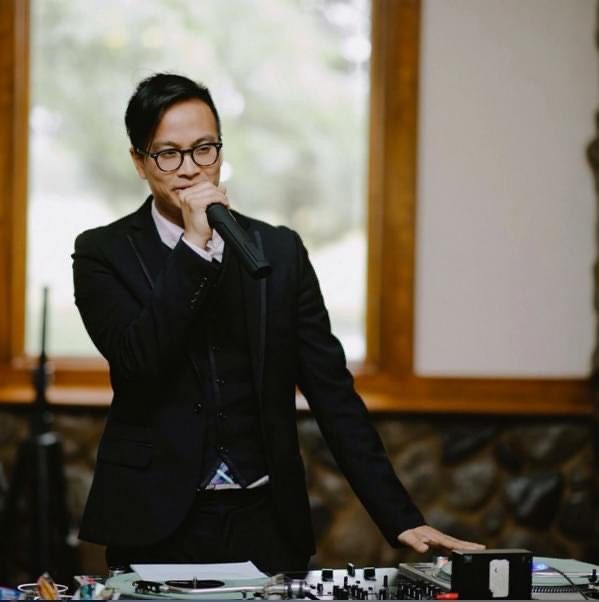
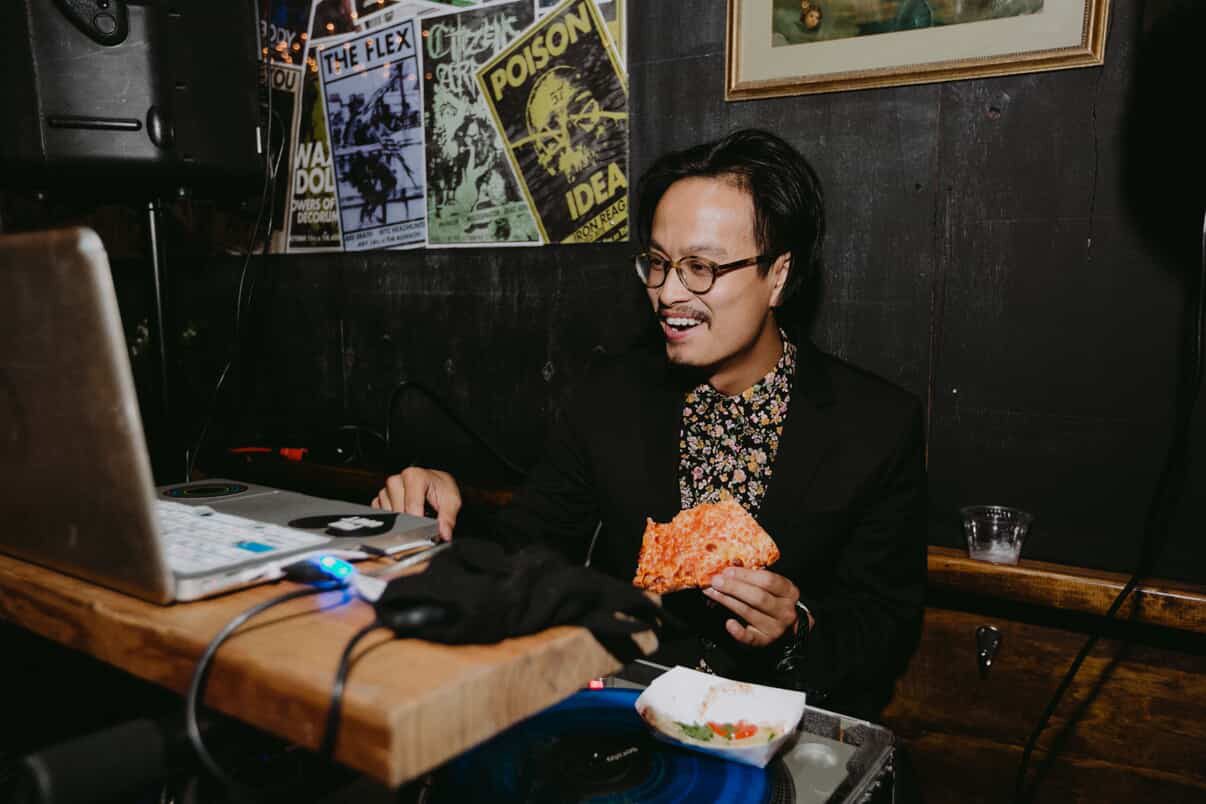
Teaching MIDI and eight-bar loops. Building Beats, 2018.Building Beats showcase, 2019.Building Beats, 2019.Still DJ. It's where all of this started.
Before a first call, I read the filings.
Six reads of public 990s and audits, written while pitching. Names removed. These are diagnostics, not client results.
Line
The organization
What the filings showed
What I proposed
01
A ~$10M national fiscal sponsor for open-science projects
$18.9M to $8.7MRestricted funds fell as three projects spun out, leaving 1.2 to 1.8 months of unrestricted reserves.
A 100-day plan. Its three first-year audit findings were all fixable controls.
02
A ~$540K summer camp in upstate New York
−$190,157Cumulative net result, FY2019 to FY2024, read across fourteen years of returns. Expenses rose 25.1% in one year.
A one-page board dashboard and a reporting calendar.
03
A ~$240K all-volunteer nonprofit regranting in the DRC
Under one monthOf reserves on hand, while 92% of spending went straight to partners.
Five funders, eligibility checked, sequenced through spring 2027, with the first request drafted.
04
A ~$270K foundation regranting in South Africa
3 deficits in 5 yearsAll revenue from contributions, reserves sliding from $605K to $563K.
A 90-day plan to build a monthly-giving base.
05
A community cinema in New York, mid capital campaign
40%, at bestThe closest comparable's earned revenue never covered half of expenses in ten years of filings.
A driver-based operating model that separates sourced numbers from assumptions.
06
A ~$176K refugee aid nonprofit in Middle Tennessee
About three monthsOf operating cash, with a PayPal-only giving page as the bottleneck.
Ten funders, each tagged verified, likely fit or worth checking.
Every figure comes from public IRS filings or published audits. The full write-ups go to the organization, not this page.
The record.
My parents came over from Vietnam with almost nothing and found each other in Boulder. I started DJing in high school, booking my own gigs. That was the first business I ran, and the first time I understood that culture organizes people.
2026–
CazMindCompany brains for nonprofits and small teams. Open-source engine, done-for-you builds. Also fractional finance lead for an arts nonprofit.
2025
Hired Building Beats' next CEORecruited my successor, moved to the board and a role leading the org's AI strategy.
2019–
HeliumLink, co-founder and CEO$0 to $1M+ in revenue in the first twelve months. 90+ business clients in two years.
2013–2025
Building Beats, co-founder and executive directorFrom a Bronx DJ workshop series to a two-city creative-education nonprofit. Partners included Adidas, Verizon and the Metropolitan Museum of Art.
2011–2014
American India Foundation, digital engagementOnline strategy that raised $500K+. Launched the online fundraising platform and the matching-gift program.
2009–2011
Community Lab and The Leadership ProgramCommunications and partnerships with Oxfam America, Kiva and Acumen. Before that, leadership trainer for NYC youth.
2009
New York UniversityB.S. Neural Science, second major in Psychology.
Also
Boards and investingBoard of Building Beats and PowrPlnt. Angel investor in 40+ early-stage companies and small businesses. Fluent in Vietnamese.
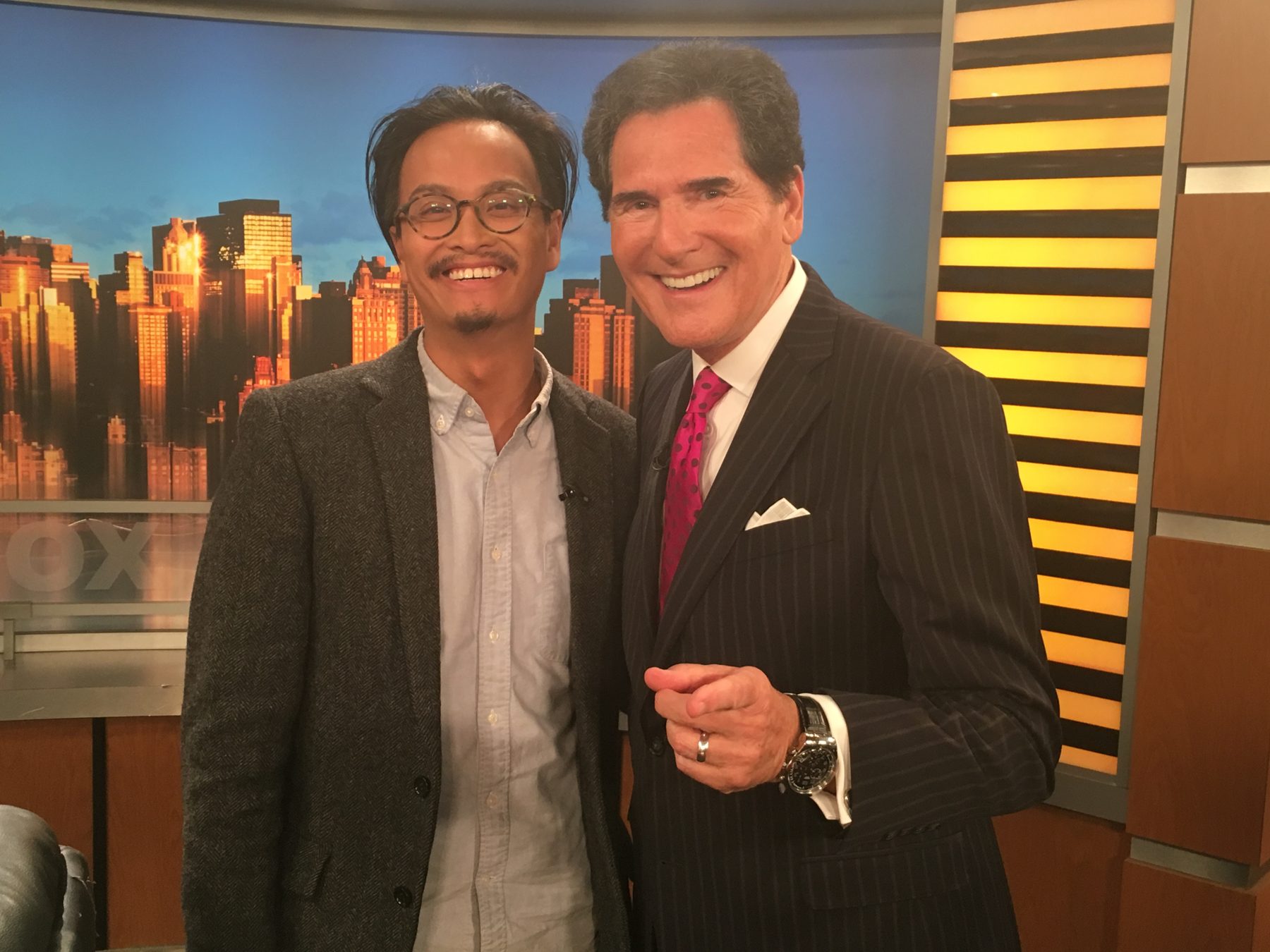
On air with Ernie Anastos.New York local news, 2017.
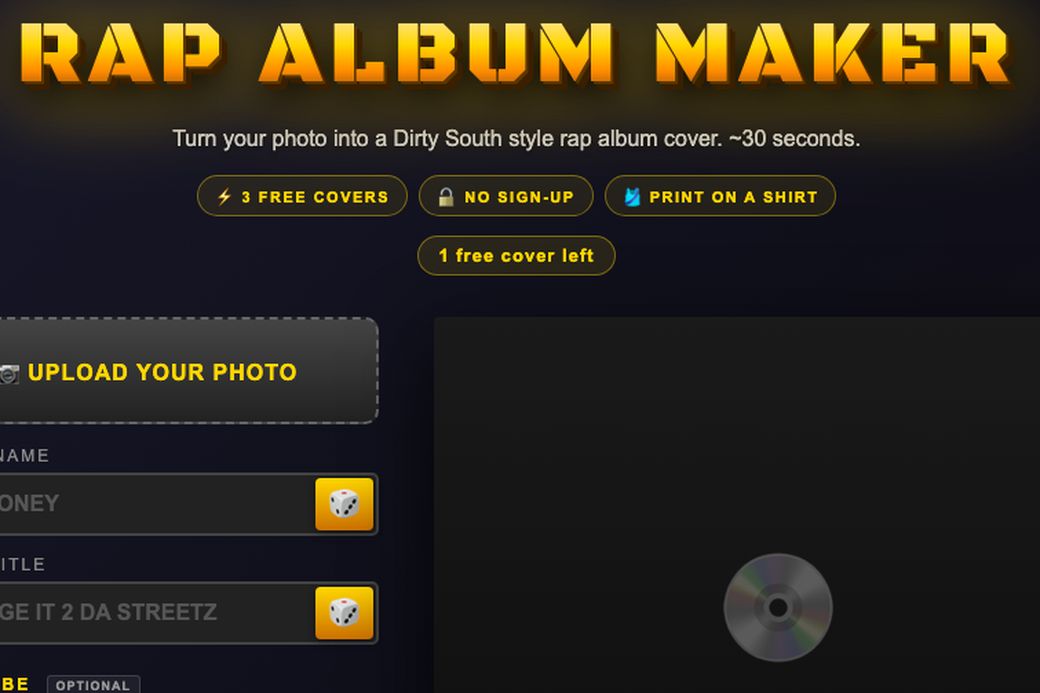
Things I build for fun.
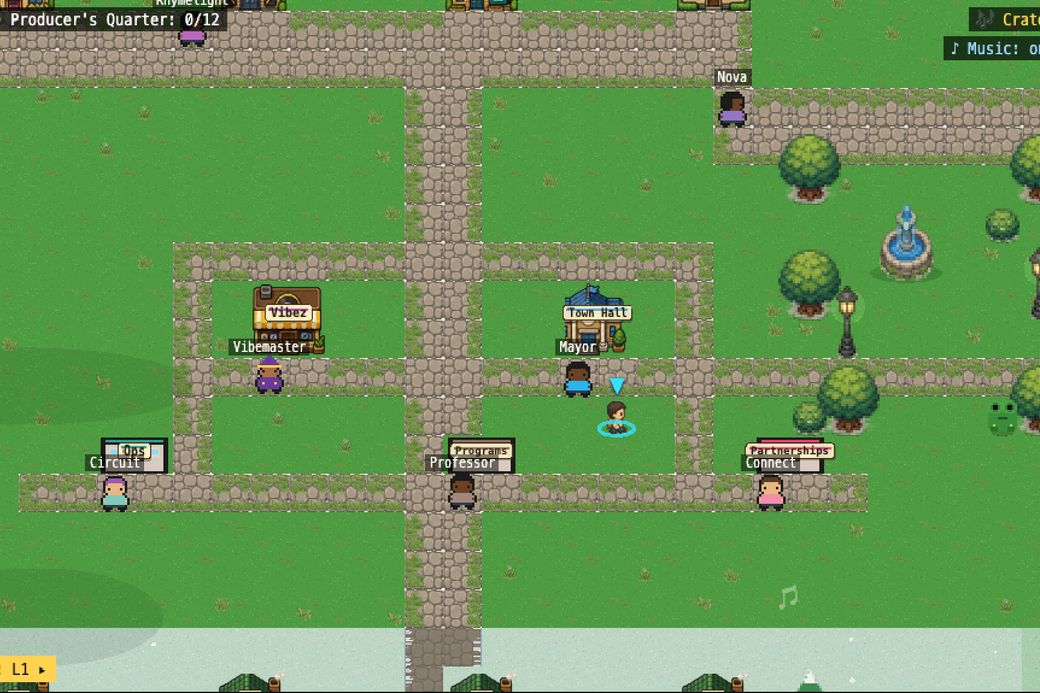
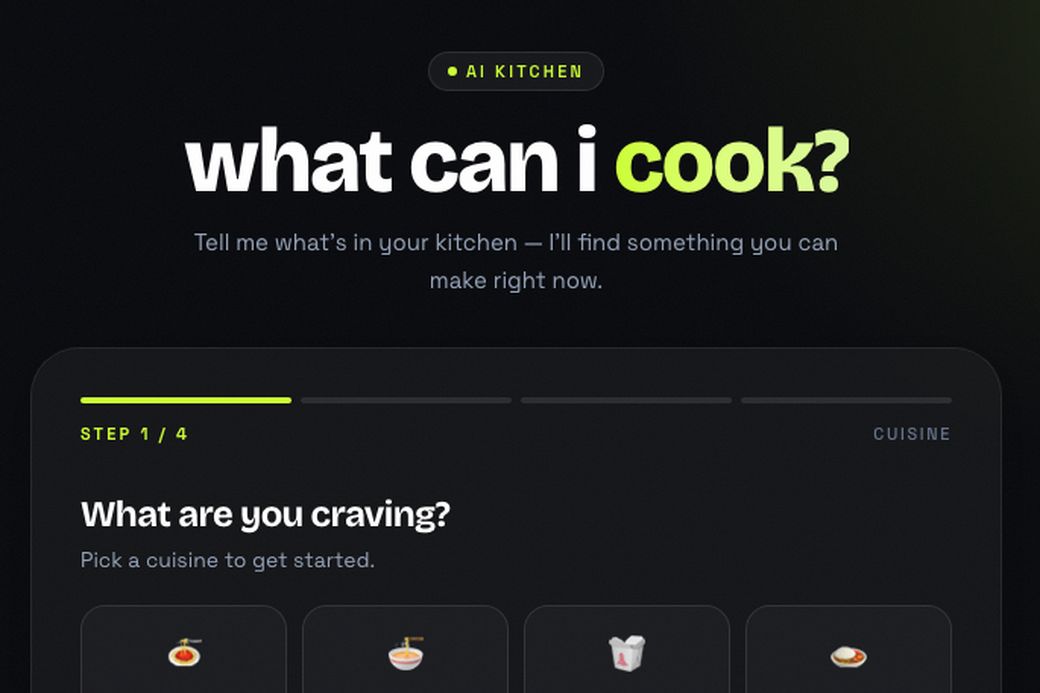
Small shipped apps. They're how I keep my hands on the tools I recommend.